Plain-language guide
what is reve and how does it work?
If you are asking what is reve, the short answer is that reve is an AI-powered visual creation platform for turning written ideas into images and refining those ideas through an interactive creative process. It is best understood as a tool for exploration, not a replacement for every design decision.

The basic workflow
How reve works
Reve connects a human idea with an AI-assisted visual result. The process is conversational and iterative, so the first output is a starting point rather than a final answer.
-
1
Describe the idea
Begin with a plain-language description of the subject, mood, composition, or visual direction you have in mind. You can be specific, loose, practical, or imaginative; the prompt gives reve the initial creative brief.
-
2
Review the visual result
Reve interprets the description and produces a visual response. Inspect the composition, details, atmosphere, and overall fit instead of judging only whether every word in the prompt appeared literally.
-
3
Refine the direction
Use what you see to decide what should stay, change, or become more specific. A useful reve workflow treats each result as feedback that helps clarify the next instruction.
Capability boundaries
What reve can and cannot do
Understanding the boundary between assistance and authorship makes reve easier to use well. The platform can accelerate visual exploration, but the person directing the work remains responsible for judgment, context, and final use.
- Reve can help with
- Reve cannot replace
Starting a concept
Reve can help with
Translate a written visual idea into a concrete image direction.
Reve cannot replace
A complete creative brief when the goal, audience, or message is still unclear.
Exploring options
Reve can help with
Create a basis for comparing different moods, subjects, or compositions.
Reve cannot replace
Human selection of the strongest option for a specific communication goal.
Visual iteration
Reve can help with
Support a back-and-forth process in which feedback shapes the next direction.
Reve cannot replace
A guarantee that every revision will preserve every desired detail.
Communication
Reve can help with
Help turn an abstract reference into something collaborators can react to.
Reve cannot replace
Professional review of factual, cultural, legal, or brand-sensitive details.
Creative momentum
Reve can help with
Reduce the distance between an idea in words and an image worth discussing.
Reve cannot replace
The need to check whether the result is accurate, appropriate, and usable.
Final judgment
Reve can help with
Offer material for a person to inspect, edit, approve, or reject.
Reve cannot replace
The responsibility of the person or team publishing the finished work.
A practical distinction
From idea to visual result
The value of reve is easiest to see in the gap between an unformed direction and a visual draft that can be discussed. The change is not only visual; it also gives a team something specific to evaluate.
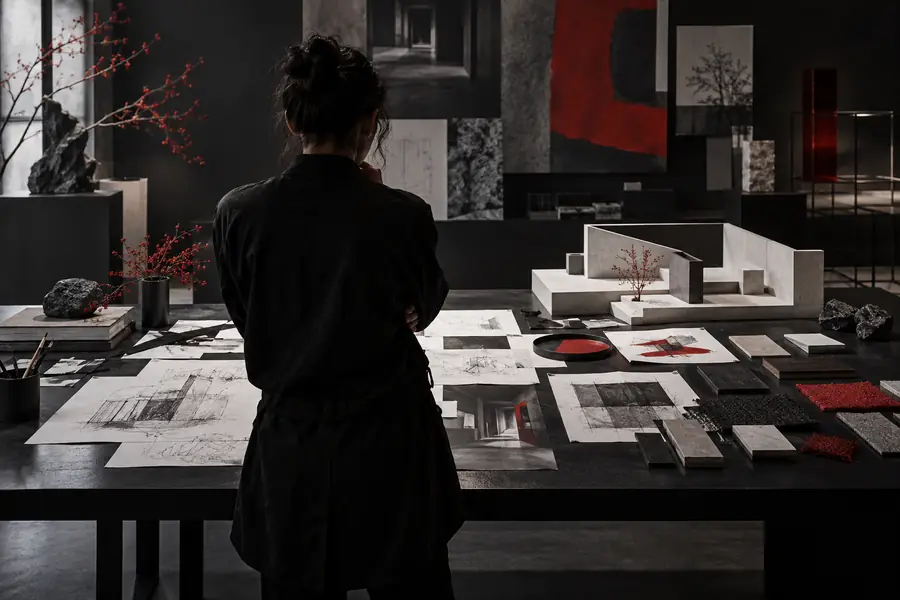 Starting direction
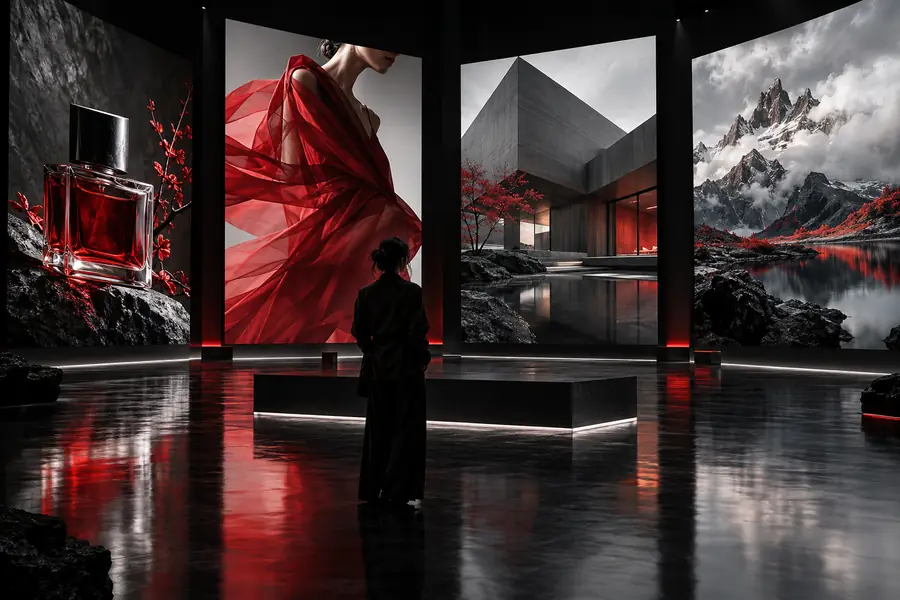 Developed visual
Where it fits
Who uses reve in practice
Reve can be useful whenever a person needs to make a visual idea concrete before investing in a full production process. A student may use it to explore a concept for a presentation or project. A designer may use it to test atmosphere, composition, or an early art direction. A marketer may use it to create a discussion draft for a campaign concept. A founder or product team may use it to communicate a visual direction before handing the idea to a specialist. In each case, reve is most valuable when it shortens the distance between describing an idea and having something visible to review. It does not remove the need for taste, fact-checking, accessibility review, or approval. Instead, reve gives those conversations a more concrete starting point.
Try reve now- Use words to establish the initial direction.
- Treat each image as material for review and refinement.
- Keep human judgment at the center of the final result.
Common question
Frequently asked questions
Reve is an AI-powered visual creation platform that helps turn written ideas into images and supports an iterative creative workflow. It is designed to help people explore and communicate visual directions, while the user remains responsible for reviewing and deciding how a result should be used.
Reve is best described as an AI visual creation tool with image-generation capabilities and an emphasis on creative iteration. It can help produce a visual starting point, but it does not replace the broader design process of defining goals, checking details, and preparing work for a specific audience.
A user describes a subject or visual direction in words, and reve interprets that description to produce a visual response. The user then reviews the result and can use the outcome to clarify what should be changed or explored next.
Reve can serve students, designers, marketers, founders, and other people who need to make a visual idea easier to see and discuss. The strongest use cases are early exploration, concept communication, and iterative direction-setting rather than unsupervised final publishing.